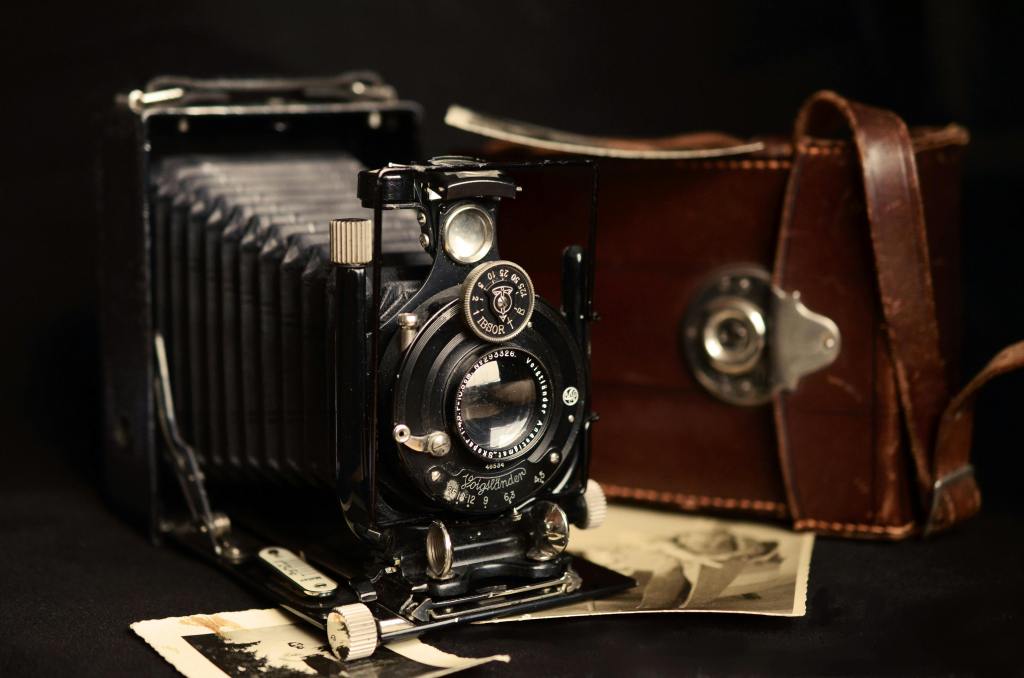
In the days before Samsung telephones and iPhone telephones, people had to take photos of their faces, pets, meals, genitalia, clothes, cars etc with chunky digital cameras that didn’t have phones in them. In the days before chunky digital cameras, people had to take photos of the jejune minutiae of their lives with chunky non-digital cameras which recorded the trite images on film, which then had to be taken elsewhere for development, such as upstairs in places like street chemist Boots, though why there, of all places, has never been explained. And in the days before chunky non-digital cameras, photographs could only be produced by setting off a firework on top of a large chunky box operated by a man crouched under a sheet. And it was a ponderous rig like that that led to the most famous photographs in the British Photographs of Fairies canon: the famous fairy photographs of Exbliff.
Sisters Yabba and Boniface Spoolings (England’s mysterious past is swarming with sisters) loved playing on their father’s eight-acre damson estate in the Devonshire parish of Exbiff, where they would sprint amongst the gnarled fruit trees shouting childish taunts at one another. One day, some say it was a Thursday, the girls decided to rest near a lily-padded pool at the far end of the field. Giggling stupidly, they swiftly settled into an edgy silence as they detected an ethereal unease: for the door to the Fairy Queen Titania’s kingdom had sprung ajar and the fey folk of that realm had poured through for a wander. Now, Viscount Spoolings, father of the sisters, was a close associate of the author HG Wells, who often visited the family and delighted the children with his tales of human folly and disease; additionally, he’d impress with the latest technologies that he procured through mail order from the colonies. One day, some say it was another Thursday, Wells presented the family with the latest camera, a Knoxyvisio 8.0. Remembering the device, Yabba dashed to her father’s oyster laboratory and returned to the scene. The sisters set the thing up and took several snaps of the pixieish peoples that were now enjoying the pleasures of our corporeal world. Being insufferably posh and well-connected, the Spoolings reached out to their contacts at organs such as the Spectator, the Financial Times, Tatler, and so on. The pictures were duly printed and caused a sensation. Questions were asked in the House of Commons. Murmurs were murmured in the House of Lords. The House of Windsor issued a statement. The League of Nations sent everybody home for a week. But was it all horseshit?
Not according to Sir Arthur Conan Doyle – the writer and amateur spiritualist who had a keen interest in unlived experience. Writing in Kitchens, Bathrooms & Ghosts, the Sherlock Holmes creator remarked: “These photographical samplings prove beyond all reasonable doubt that another world exists parallel to our own. I’d stake my reputation on it.” These turned out to be unfortunate words as the pics were soon revealed as forgeries when Boniface confessed to the lark while being tickled by an investigative reporter from the Skeptical Scotsman, a debunkful weekly set up by a disaffected laird who was “sick to the back teeth of all this Loch Ness monster bilge”. Undeterred, Doyle doubled down, declaring that it was the confession itself that was fake, adding that people will say anything whilst being tickled. To prove the point, he accosted Lady Astor in the Ritz and strummed her ribs until she agreed to agree that there’s nothing wrong with Jewish people. Unconvinced, the press continued to press Doyle, needling him with headlines like “ARTHUR BRAIN: DOTTY DOYLE’S DUMB AS A DORMOUSE”, “CRAZY CRANK CONAN’S CODSWALLOP” and the concise “PRICK”.
Incensed, Doyle double doubled down, setting off on a furious nationwide rally-tour, inciting his devoted supporters with talk of“witch-hunts”, “politically-motivated conspiracies” and “the main stream media’s unconscionable lies”. However, at some point he seemed to get bored, packed it all in and returned to his famous detective novels, which continued to delight the British public until he stopped writing them because he died – death proving, if nothing else, an ineradicable obstacle to publishing.
 Mysterious EnGland
Leave a comment